West Coast Rap: The Evolution of a Cultural Phenomenon | PeopleStocks
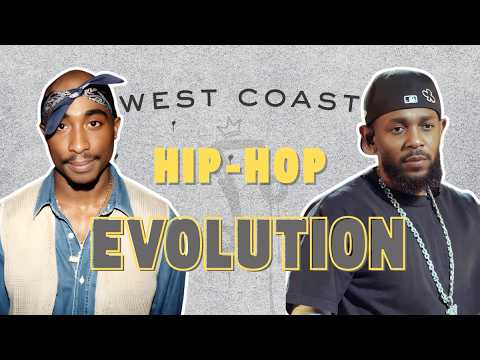
West Coast rap, with its origins in the 1970s and 80s, has become a cultural force, shaping the music industry and reflecting the social and economic realities
Overview
West Coast rap, with its origins in the 1970s and 80s, has become a cultural force, shaping the music industry and reflecting the social and economic realities of the region. The genre's early days, marked by the emergence of N.W.A and Dr. Dre, were characterized by raw energy and unapologetic storytelling. As the scene evolved, artists like Snoop Dogg, Tupac Shakur, and Ice Cube achieved mainstream success, while also facing criticism for their lyrics and perceived glorification of gang violence. The 2010s saw a new wave of West Coast rappers, including Kendrick Lamar, ScHoolboy Q, and Vince Staples, who brought a more nuanced and introspective approach to the genre. With a Vibe score of 85, West Coast rap continues to influence contemporary music, from hip-hop to rock and pop. The genre's legacy is complex, with debates surrounding its representation of Black life, its impact on social justice movements, and its role in shaping American cultural identity.